Case studies
Role, challenge, intervention, result
For each project: my role, the challenge we faced and what we did. Client names, contract values and document numbers are never published; results are shared only through non-confidential indicators.
Technical assessment · Gas
North Pars gas tie-in to the South Pars network
Engineering studies — since December 2022
- Role
- Engineering Project Manager
- Challenge
- Bringing North Pars feed gas into the South Pars network and the second refinery’s receiving system without compromising system stability — with pressure, flow-dynamics and gas composition risks, and three parties with different requirements.
- Intervention
- Led studies and simulation with process, flow assurance, piping and instrumentation; managed the engineering interface between source and destination; assessed capacity bottleneck, pressure surge and blending risks; acted as technical authority aligning all three parties.
Gas refinery · Pilot
South Pars Phase 19 — booster station
FEED and basic engineering
- Role
- Project Manager
- Challenge
- Integrating the station FEED with the Phase 19 master programme and resolving inter-discipline design conflicts before they became costly changes in the transition to EPC.
- Intervention
- Led FEED and basic engineering; managed process, mechanical, piping, instrumentation and electrical interfaces; controlled milestones and technical documents from P&IDs to datasheets; identified engineering risks at design stage; secured formal approval of engineering packages.
Gas fields · Development EPC
EPC development of the Homa, Varavi and Tabnak gas fields
Construction — May 2021 to December 2022
- Role
- Project Manager
- Challenge
- Several subcontractors working at once inside a live operating environment, with interference risk and sensitive equipment in harsh weather.
- Intervention
- Direct progress control against the schedule and subcontractor interference management; IFC compliance; permit-to-work discipline and HSE leadership; cost control and subcontractor valuations; daily, weekly and monthly reporting to the client.
Gas field · Treating trains and utilities
South Pars Phases 9 and 10
Construction
- Challenge
- Lagging work fronts in the gas treating trains and utilities, and no reliable picture of actual progress.
- Intervention
- Set up a progress measurement system, S-curve reporting and corrective action planning for lagging fronts.
Gas processing and export · Multi-contractor EPC
South Pars Phases 6, 7 and 8
Engineering, procurement and construction
- Challenge
- A multi-contractor EPC environment where engineering documents, procurement and work fronts had to advance against one integrated baseline.
- Intervention
- Coordinated engineering documents, procurement release and work fronts against the integrated baseline.
Gas field · Surface facilities
North Pars — field development
Concept and FEED
- Challenge
- Defining the scope of field development and surface facilities, with several contractors who had to stay coordinated from engineering to construction.
- Intervention
- Scope definition, contractor coordination and progress control.
Oil field · Production and processing facilities
Azar oil field
EPCF
- Challenge
- Timely equipment supply and coordination of subcontractors in building production and processing facilities.
- Intervention
- Procurement follow-up, subcontractor management and site construction control.
Pipeline · Pump stations and terminal
Goreh–Jask crude oil pipeline
Construction
- Challenge
- A long corridor with several simultaneous fronts, pump stations and terminal works.
- Intervention
- Right-of-way sequencing, spread productivity control and multi-front progress reporting.
High-pressure gas pipeline
Iranshahr–Chabahar 56-inch pipeline
Construction
- Challenge
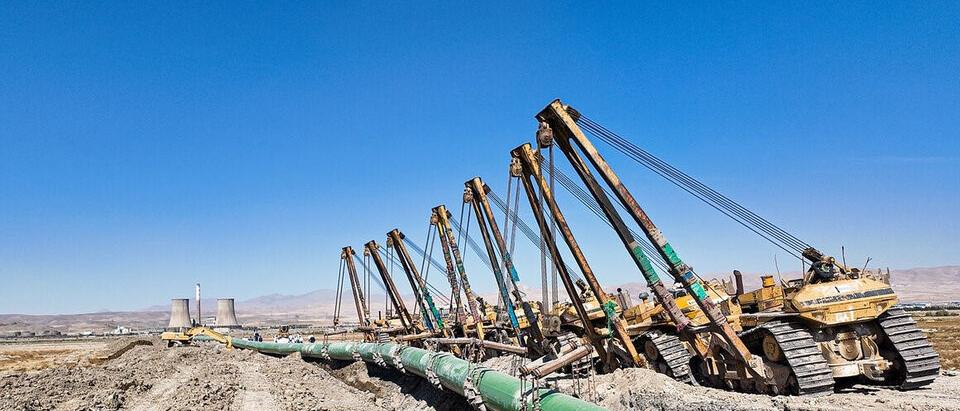
- A high-pressure cross-country line in difficult terrain, with construction dependent on timely material delivery.
- Intervention
- Programme management, material call-off and spread coordination.
AI in practice · Engineering services contract
A contract at the end of its term
Several hundred pages of contract, letters and minutes were read with one fixed template. The timeline showed the delay was a missing prerequisite the other party was obliged to provide. Work that would have taken weeks produced a decision memo in days.
Full case